Mac New Ram Not Being Read Beeping
Calculator POST and beep codes
Updated: 10/11/2021 by Reckoner Hope
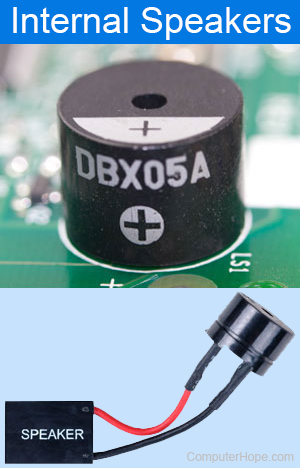
The computer Mail (power-on self-test) checks a computer'south internal hardware for compatibility and connectedness before starting the residual of the boot process. If the figurer passes the Post, the computer may give a single beep (some computers may beep twice) as it starts and continues to boot. However, if the computer fails the Mail service, the computer may generate a beep code telling the user the source of the problem.
The about mutual causes of POST failures are bug with the following components.
- BIOS ROM
- CPU (processor)
- Motherboard
- RAM (memory)
- Video carte du jour
If your computer has an irregular POST or a beep code not mentioned below, follow the POST troubleshooting steps to determine the failing hardware component.
Note
Except for Dell and Mac, your computer or motherboard manufacturer is non the BIOS manufacturer. Make up one's mind the BIOS manufacturer for your computer'south motherboard, then select the appropriate link below for beep code meanings.
AMI BIOS beep codes
Below are the AMI BIOS beep codes. However, because of the wide variety of different computer manufacturers with this BIOS, the beep codes for your computer may differ slightly from those listed below.
| Beep Code | Descriptions |
|---|---|
| i short beep | DRAM refresh failure. |
| 2 brusque beep | Parity excursion failure. |
| 3 short beep | Base 64 K RAM failure. |
| four short beep | System timer failure. |
| five brusque beep | Process failure. |
| 6 short beep | Keyboard controller Gate A20 mistake. |
| seven short beep | Virtual way exception error. |
| eight curt beep | Display memory Read/Write test failure. |
| 9 short beep | ROM BIOS checksum failure. |
| ten brusk beep | How to supplant the CMOS bombardment. |
| 11 short beep | Cache retentiveness error. |
| ane long, 2 short beeps. | Video card retentivity issue. |
| i long, 3 brusk beeps. | Conventional/Extended memory failure. |
| 1 long, eight short beeps. | Display/Retrace test failed. |
| Two-tone siren | Low CPU fan speed, voltage level issue. |
Laurels BIOS beep codes
Below are the Award BIOS beep codes. However, because of the wide diversity of unlike computer manufacturers with this BIOS, the beep codes may vary.
| Beep Code | Description |
|---|---|
| 1 long, 2 brusk beeps. | Indicates a video error has occurred and the BIOS cannot initialize the video screen to display any additional information. |
| 1 long, iii short beeps. | Video card not detected (reseat video card) or bad video carte du jour. |
| Beeps repeating endlessly. | RAM problem. |
| Repeated high frequency beeps while PC is running. | Overheating processor (CPU). |
| Repeated beeps alternating high & low frequency. | Consequence with the processor (CPU), possibly damaged. |
If any other correctable hardware issues are found, the BIOS displays a message.
Dell beep codes
| Beep Code | Description |
|---|---|
| i beep | BIOS ROM corruption or failure. |
| 2 beeps | Retentivity (RAM) not detected. |
| 3 beeps | Motherboard failure. |
| four beeps | Memory (RAM) failure. |
| 5 beeps | CMOS battery failure. |
| 6 beeps | Video carte failure. |
| vii beeps | Bad processor (CPU). |
For other Dell beep codes, please refer to Dell's beep codes and PSA diagnostics chart folio.
IBM BIOS beep codes
Below are general IBM BIOS beep codes. However, considering of the wide variety of models shipping with this BIOS, the beep codes may vary.
| Beep Lawmaking | Clarification |
|---|---|
| No beeps | Why won't my figurer turn on? |
| 1 short beep | Normal POST, figurer is ok. |
| 2 short beep | Post fault, review screen for error lawmaking. |
| Continuous beep | No power, loose card, or short. |
| Repeating short beep | No ability, loose menu, or short. |
| 1 long, 1 short beep | Motherboard issue. |
| one long, ii short beeps | Video (Mono/CGA display circuitry) issue. |
| 1 long, 3 brusk beeps. | Video (EGA) display circuitry. |
| 3 long beeps | Keyboard or keyboard card error. |
| one beep, blank or wrong display. | Video brandish circuitry. |
Insyde beep codes
| Beep Code | Description |
|---|---|
| v curt and i long beep. | Trouble with the DMA folio registers. |
| 4 short, 1 long, 1 short beep. | Circuit for refreshing RAM non working. |
| 4 curt and 2 short beeps. | BIOS ROM checksum failure. |
| 3 curt, i long, 2 short beeps. | CMOS RAM test failure. |
| 3 short, ane long, 1 short, i long beep. | DMA controller failure. |
| 3 short, 2 long, ane short beep. | Interrupt controller failure. |
| 3 short and 3 long beeps. | Keyboard self-examination effect. |
| 2 short, one long, 3 short beeps. | Video card not found. |
| 2 short, i long, 2 curt, ane long beep. | No RAM installed or RAM non recognized. |
Macintosh startup tones
| Tones | Error |
|---|---|
| Fault tone. (ii sets of different tones). | Trouble with logic board or SCSI jitney. |
| Startup tone, drive spins, no video. | Problem with video controller. |
| Powers on, no tone. | Logic board trouble. |
| High tone, four higher tones. | Problem with SIMM. |
Phoenix BIOS beep codes
Below are the beep codes for Phoenix BIOS Q3.07 or 4.x.
| Beep Lawmaking | Description and what to check |
|---|---|
| 1-1-i-1 | Unconfirmed beep code. Reseat RAM chips or supercede RAM fries equally possible solution. |
| 1-1-1-3 | Verify existent mode. |
| i-1-2-one | Get CPU type. |
| 1-1-2-3 | Initialize system hardware. |
| one-1-3-1 | Initialize chipset registers with initial Postal service values. |
| ane-i-3-2 | Gear up in POST flag. |
| one-i-3-three | Initialize CPU registers. |
| 1-1-iv-ane | Initialize cache to initial Post values. |
| i-i-4-3 | Initialize I/O. |
| ane-2-one-ane | Initialize power management. |
| ane-2-ane-2 | Load alternate registers with initial Mail service values. |
| 1-ii-1-3 | Jump to UserPatch0. |
| 1-ii-ii-i | Initialize keyboard controller. |
| one-2-2-3 | BIOS ROM checksum. |
| one-2-3-1 | 8254 timer initialization. |
| 1-ii-3-3 | 8237 DMA controller initialization. |
| ane-2-iv-1 | Reset programmable interrupt controller. |
| 1-3-1-1 | Test DRAM refresh. |
| 1-3-i-3 | Test 8742 keyboard controller. |
| 1-3-2-one | Gear up ES segment to register to 4 GB. |
| 1-3-iii-1 | Autosize DRAM. |
| 1-3-three-3 | Clear 512 K base RAM. |
| 1-3-4-ane | Exam 512 base accost lines. |
| 1-three-4-3 | Test 512 M base memory |
| 1-4-i-3 | Test CPU passenger vehicle clock frequency. |
| 1-4-2-4 | Reinitialize the chipset. |
| i-4-three-1 | Shadow organization BIOS ROM. |
| 1-4-three-ii | Reinitialize the cache. |
| 1-4-3-3 | Autosize cache. |
| i-4-iv-ane | Configure advanced chipset registers. |
| 1-four-4-2 | Load alternate registers with CMOS values. |
| 2-1-1-1 | Set initial CPU speed. |
| 2-one-i-3 | Initialize interrupt vectors. |
| ii-one-2-i | Initialize BIOS interrupts. |
| 2-ane-2-3 | Check ROM Copyright notice. |
| 2-ane-2-4 | Initialize director for PCI options ROMs. |
| 2-i-iii-1 | Check video configuration against CMOS. |
| 2-ane-3-two | Initialize PCI bus and devices. |
| 2-1-3-3 | Initialize all video adapters in system. |
| 2-i-four-ane | Shadow video BIOS ROM. |
| 2-1-4-3 | Display Copyright detect. |
| two-two-1-1 | Display CPU type and speed. |
| 2-2-one-3 | Examination keyboard. |
| 2-2-ii-1 | Set up fundamental click if enabled. |
| two-two-2-3 | Enable keyboard. |
| 2-2-3-i | Exam for unexpected interrupts. |
| ii-2-3-three | Brandish prompt Press F2 to enter SETUP. |
| two-ii-4-1 | Test RAM between 512 and 640 thousand. |
| ii-three-i-1 | Examination expanded retentivity. |
| ii-three-1-iii | Test extended retentivity address lines. |
| 2-3-2-1 | Jump to UserPatch1. |
| 2-3-2-three | Configure advanced cache registers. |
| 2-three-3-ane | Enable external and CPU caches. |
| 2-3-3-3 | Display external enshroud size. |
| ii-3-4-1 | Display shadow message. |
| 2-3-4-3 | Display non-dispensable segments. |
| two-4-ane-1 | Display mistake messages. |
| 2-iv-one-3 | Check for configuration errors. |
| 2-4-2-1 | Test real-time clock. |
| two-4-2-3 | Cheque for keyboard errors. |
| 2-iv-4-1 | Prepare hardware interrupts vectors. |
| two-4-4-three | Test coprocessor if present. |
| 3-ane-1-i | Disable onboard I/O ports. |
| 3-1-1-3 | Detect and install external RS232 ports. |
| 3-1-2-one | Notice and install external parallel ports. |
| 3-ane-2-3 | Re-initialize onboard I/O ports. |
| 3-i-3-1 | Initialize BIOS information surface area. |
| 3-1-iii-3 | Initialize extended BIOS information area. |
| 3-1-four-1 | Initialize floppy controller. |
| 3-two-1-1 | Initialize hard disk controller. |
| 3-2-1-2 | Initialize local autobus hard disk drive controller. |
| 3-ii-1-3 | Jump to UserPatch2. |
| 3-two-2-1 | Disable A20 address line. |
| 3-ii-2-three | Clear huge ES segment annals. |
| 3-2-3-1 | Search for selection ROMs. |
| iii-2-three-3 | Shadow option ROMs. |
| 3-2-4-1 | Set Ability Management. |
| 3-two-four-3 | Enable hardware interrupts. |
| iii-3-1-i | Gear up fourth dimension of day. |
| 3-iii-1-3 | Check primal lock. |
| 3-3-3-one | Erase F2 prompt. |
| 3-three-iii-iii | Scan for F2 central stroke. |
| 3-3-4-one | Enter CMOS setup. |
| 3-3-iv-three | Articulate in Post flag. |
| 3-4-i-i | Check for errors |
| 3-4-1-iii | POST done, fix to kicking operating system. |
| 3-four-ii-i | One beep. |
| 3-iv-two-three | Check password (optional). |
| 3-4-3-1 | Clear global descriptor table. |
| 3-4-4-i | Clear parity checkers. |
| 3-4-iv-3 | Clear screen (optional). |
| 3-4-4-4 | Check virus and backup reminders. |
| 4-ane-1-1 | Try to kicking with INT nineteen. |
| 4-2-1-1 | Interrupt handler error. |
| four-two-1-three | Unknown interrupt error. |
| 4-2-2-1 | Awaiting interrupt fault. |
| iv-two-ii-3 | Initialize choice ROM error. |
| 4-2-iii-i | Shutdown error. |
| 4-ii-3-3 | Extended block movement. |
| 4-2-4-one | Shutdown ten error. |
| 4-3-ane-3 | Initialize the chipset. |
| iv-3-1-4 | Initialize refresh counter. |
| 4-iii-two-ane | Check for forced flash. |
| 4-3-2-ii | Check HW condition of ROM. |
| iv-three-two-iii | BIOS ROM is OK. |
| four-3-2-4 | Do a complete RAM exam. |
| iv-3-three-1 | Do OEM initialization. |
| 4-3-3-2 | Initialize interrupt controller. |
| iv-3-3-3 | Read in bootstrap code. |
| 4-3-3-4 | Initialize all vectors. |
| four-3-4-i | Boot the flash program. |
| iv-3-iv-ii | Initialize the boot device. |
| 4-3-iv-3 | Boot lawmaking was read OK. |
| Two-tone siren | Depression CPU fan speed, voltage level consequence. |
Source: https://www.computerhope.com/beep.htm
0 Response to "Mac New Ram Not Being Read Beeping"
Enviar um comentário